|
|
|
|
|
|
|
|
|
|
|
|
|
|
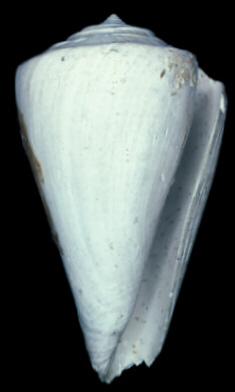
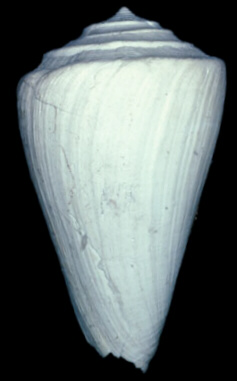
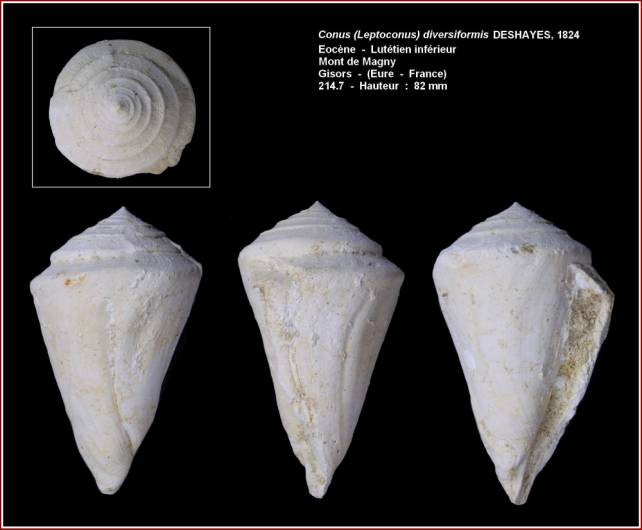
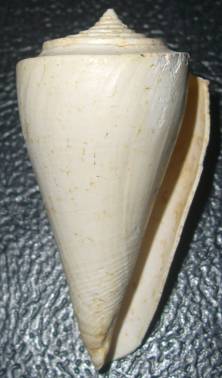
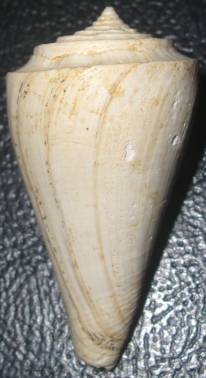
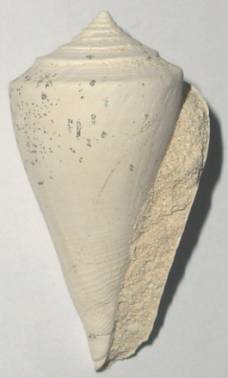
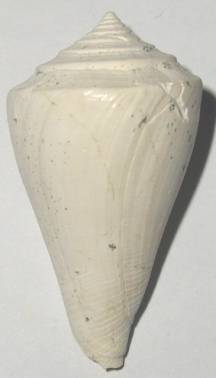
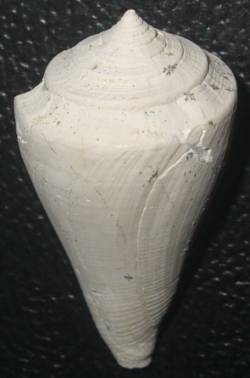
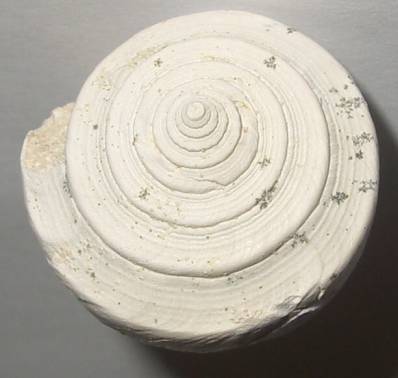
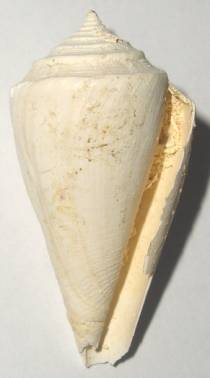
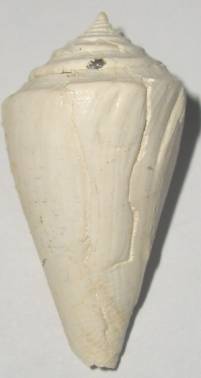
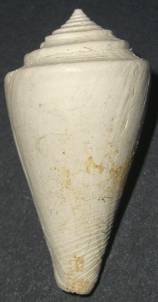
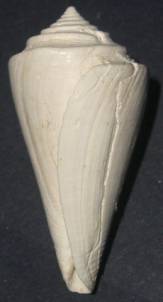
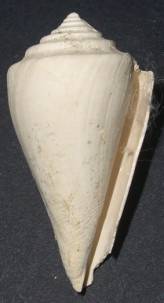
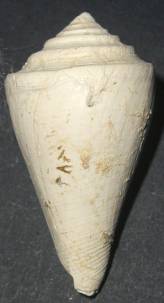
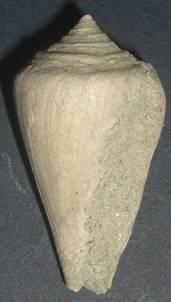
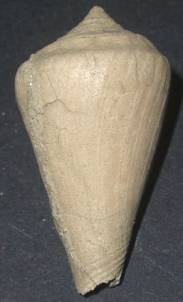
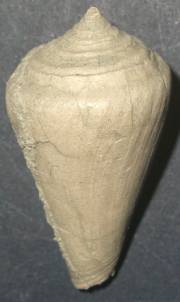
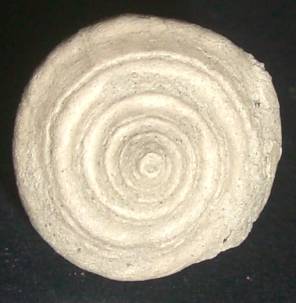
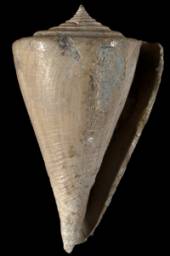
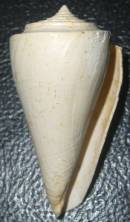
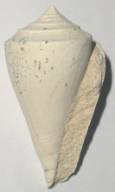
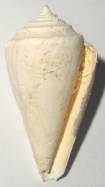
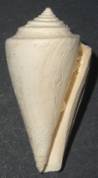
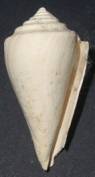
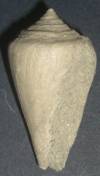
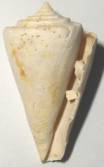
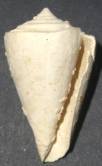
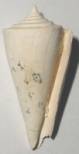
Conus (Leptoconus) diversiformis (Deshayes, 1835)
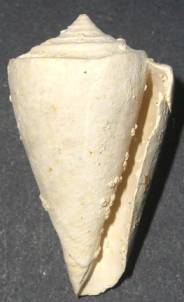
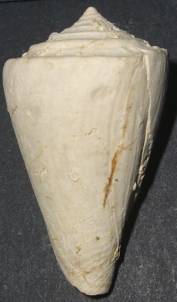
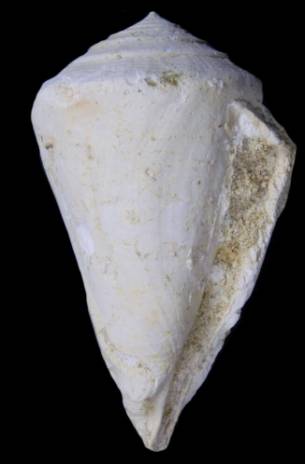
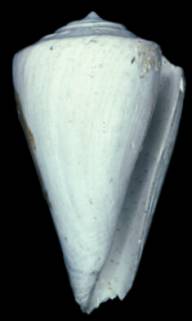
Conus diadema (Edwards, 1856)
Conus diadema pyriformis (J. de C. Sowerby, 1850)
Descrizione
e caratteristiche:
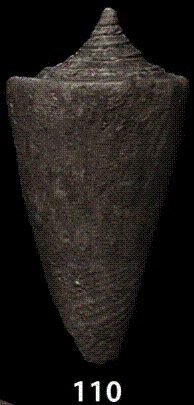
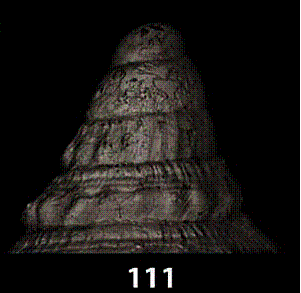
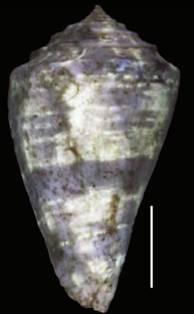
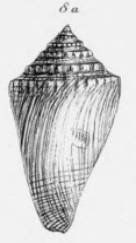
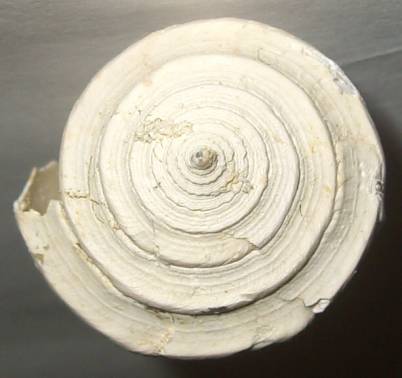
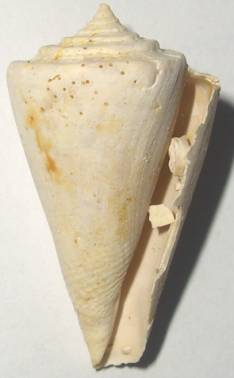
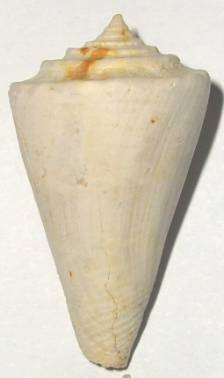
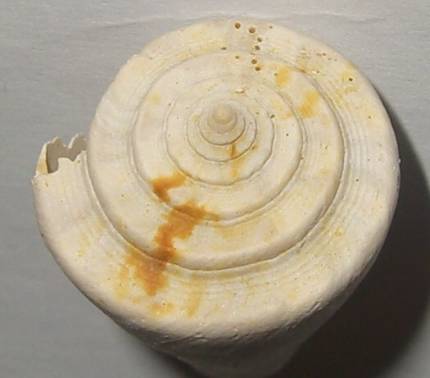
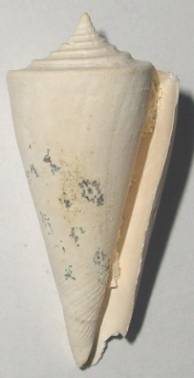
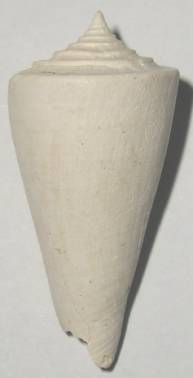
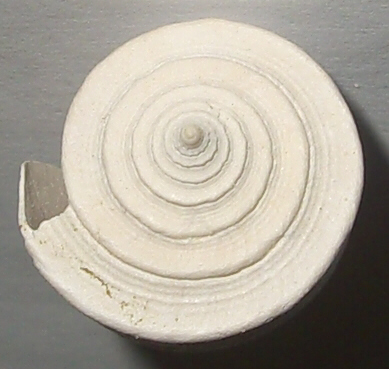
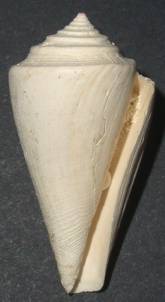
Specie non meno comune del Conus deperditus, ma il suo ritrovamento non è ristretto al calcare grossolano: si trova abbastanza abbondantemente nelle sabbie medie; è riconoscibile per la sua forma clavata, per la sua spira variabile, ma generalmente convessa, per il sottile spessore delle pareti, e infine per tutti i caratteri che gli sono propri.
Sull’ultimo giro sono ben evidenti le strie longitudinali dei accrescimento; alla base sono presenti alcune strie oblique. La sutura è irregolare e la superficie presenta un giro spirale molto lieve, quasi invisibile.
M. Sowerby, nel 1° volume de “Mineral Conchology”, ha rappresentato sotto questo nome quattro conchiglie. M. F. Edwards ha ricondotto proprio tre di esse al Conus diadema, ma non ha menzionato nel suo lavoro da nessuna parte la quarta figura, e questa figura si riferisce fedelmente al Conus diversiformis, ed è così che Deshayes constata l'esistenza del C. diversiformìs nella zona di Londra.
Nella sua paleontologia di Maine-e-Loira, M. Miglio cita il Conus diversiformis nei campi terziari medi dei dintorni di Angers, ma Deshayes ritiene che ciò sia un errore di determinazione, in quanto le specie che egli conosceva, provenienti da questo giacimento, erano molto diverse delle sue(1).
Eoconus diversiformis DESHAYES 1835 : le motif coloré présente une superposition d’alignements spiraux de petites taches fluorescentes et d’alignements spiraux de grandes taches fluorescentes sur un fond sombre. Les alignements de petites taches sont plus ou moins resserrés et sont distribués sur toute la surface du tour. Les taches sont fines et allongées spiralement. Elles forment également des alignements axiaux. Les deux alignements de grandes taches sont situés sur la partie adapicale et sur la partie abapicale du tour. Les grandes taches sont épaisses, allongées axialement et diffuses. Elles sont zigzagantes et plus ou moins espacées entre elles. L’amplitude des zigzags est variable (pl. 20:C).
Distribuzione:
Francia e Inghilterra.
Periodo geologico: Eocene.
|
|
|
|
|
|
|
|
|
|
|
|
|
|
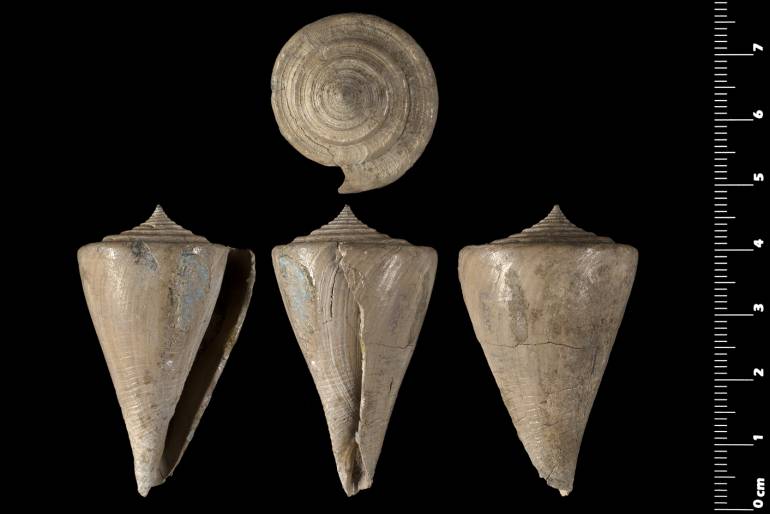
Conus diadema (Edwards, 1856)
Conus diadema pyriformis (J. de C. Sowerby, 1850)
A
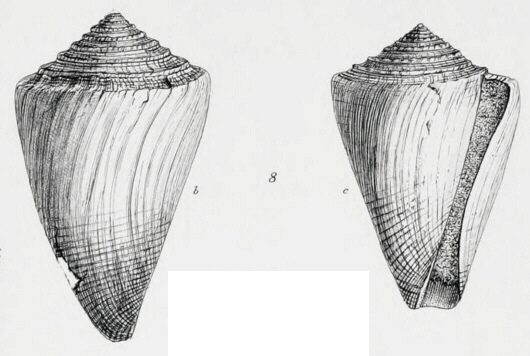
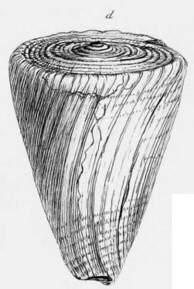
smooth, oblong, conical shell, with a turreted spire, formed of
numerous (10—12) volutions, and moderately elevated, varying
to some extent in different individuals, but never attaining a
height equal to a third part of the length of the shell. The
whorls are nearly straight on the sides, with the posterior margins
much depressed, somewhat concave, and ornamented with four or
five thickish, concentric, raised lines, separated by shallow,
rounded furrows; the angles of the whorls present a series of
oblong, regular tubercles, which are continued almost to the last
whorl, when they are replaced by a rounded, cord-like thickening
of the shoulder; the front part of the whorls is traversed by
shallow, irregular furrows, which are effaced towards the middle
part of the shell. ‘The aperture is narrow, with parallel margins
; the outer lip moderately arched, and presenting a wide,
shallow curvature between the angle and the suture.
The
specimens separated by Mr. Sowerby, under the specific name
pyriformis, have a much depressed spire associated with the
tuberculation, and other characters which distinguish the
present species, of which, therefore, I
regard them as a variety only. The shells for which I propose
the specific name, C.
diadema, were referred
by Mr. Sowerby, in part to C.
deperditus (Brug.),
and in part to C.
diversiformis (Desh.).
In the former species, however, the shell is narrower and more
turbinate, with a more curved outer lip, and the tuberculation
on the spire, where it occurs, is feeble and lost on the very
early whorls; and in the latter species, M. Deshayes, in his
description, states expressly that the angles of the whorls are
somewhat sharp, and always simple ; while in the English shells,
the angles of the whorls are blunt and strongly tuberculated,
resembling in that character C.
sulciferus (Desh.), to
which, indeed, I should be inclined to refer them,
notwithstanding the transverse sulcation from which the name is
taken, but on which much stress is not to be placed, as it does not
appear to be a
strongly marked character; the shell of C.
sulciferus,
however, is thick and ponderous, with a narrower aperture, and a
deeper curvature in the outer lip. In C.
Lamarckii (a name
which I
propose to give to the eocene species still miscalled C.
antediluvianus), the
tubercles are also found, but they are not so prominent nor so
persistent as in the present species; the shell, also, is
narrower, with a sub-conical and more elevated spire, and it
never attains the size of C.
diadema. The only
other eocene tuberculated species at all resembling the present
one, is C. crenulatus
(Desh.) ; but in that species the shell is perspicuously
furrowed, even in its mature state, and the spire is shorter and
more conical.
Size-——Axis, 2 inches and 10-12ths (72
millim.); diameter, 1 inch and 8-12ths (42 millim.).
Locality
—Bracklesham Bay, where it is common (10).
It
is somewhat difficult to appreciate the distinct specific value of
the shells constituting the species C. diversiformis,
without an examination of a series of specimens equal to that upon
the study of which M. Deshayes proposed the separation. To the
unschooled eye they appear to be only broader forms of C.
deperditus, with more variable spires(10).
Conus pyriformis (9)
Spec. Char.— Inversely conical; the flat spire and pointed base are striated spirally, the rest of the surface is nearly smooth ; aperture narrow. The width nearly equals the length. A very simply formed shell; there are a few obscure striae on the upper part of the whorl, and about ten, rather distant, about the pointed base. Conus brevis, collected by Captain Grant in Cutch (Trans. Geol. Soc. 2nd ser. vol. v. p. 329, t. 26. f. 33), is a very similar shell.
|
|
|
|
|
||
|
||
|
||
|
||
|
||
|
||
|
||
|
||
|
||
|
||
|
|
|
|
|
|
|
|
|
|
|
|
|
|
||
|
||
|
|
|
|
|
|
|
|
|
|
|
|
|
|
|
|
|
|
|
|
|
|
|
|
|
|
|
|
|
Bibliografia
Consultata