|
|
|
|
|
|
|
|
|
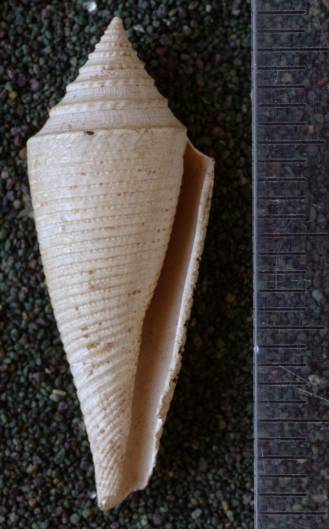
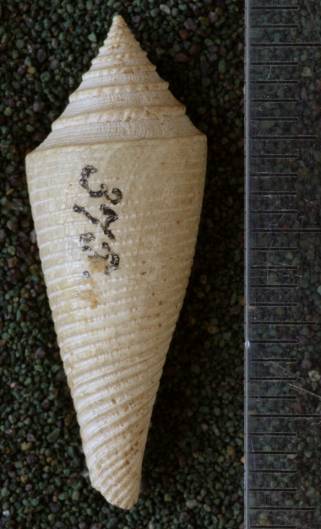
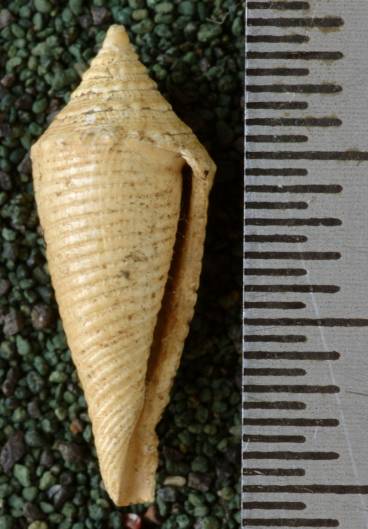
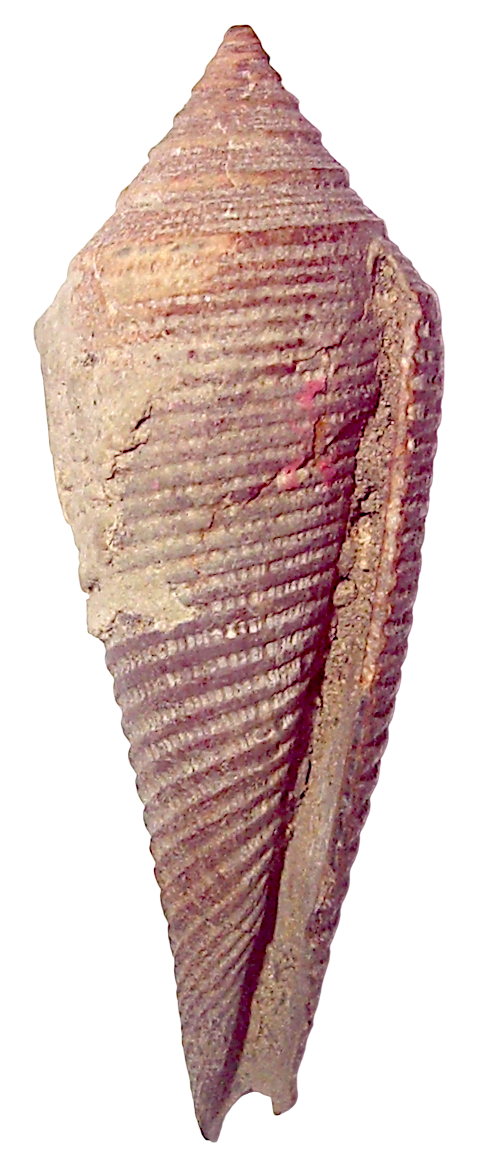
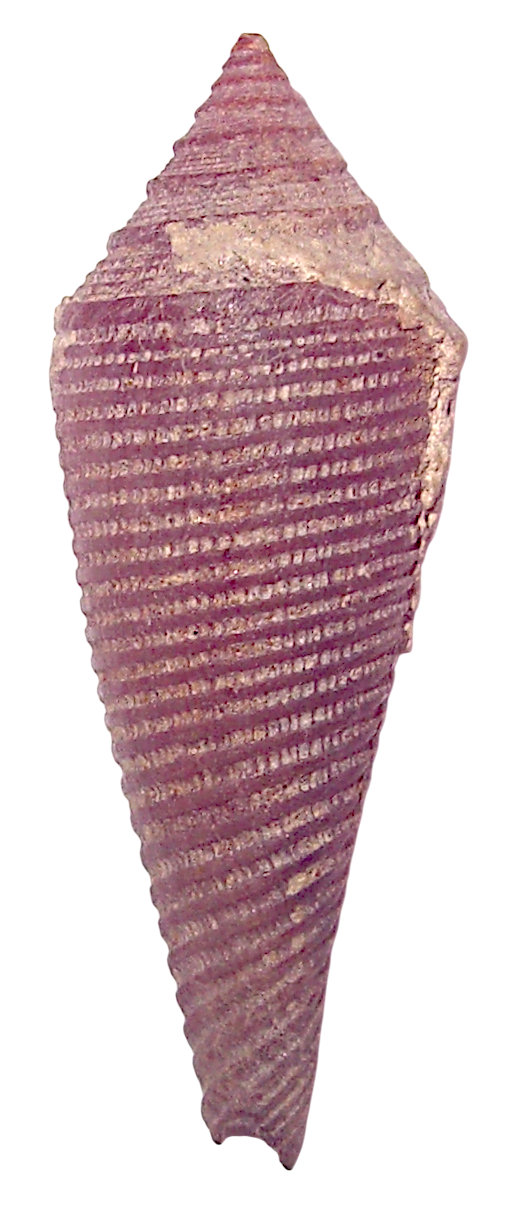
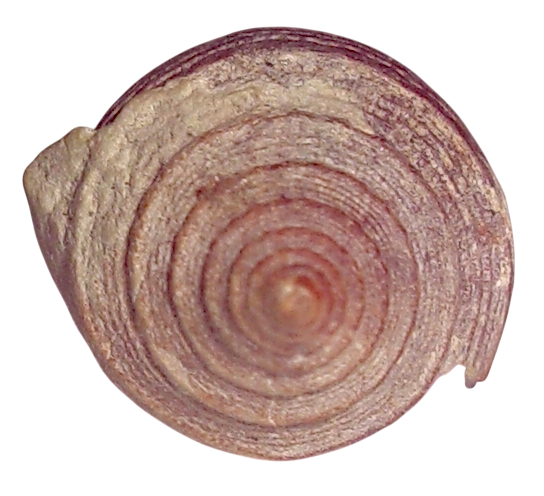
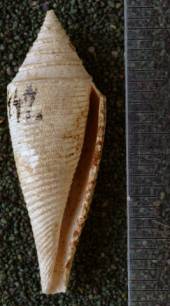
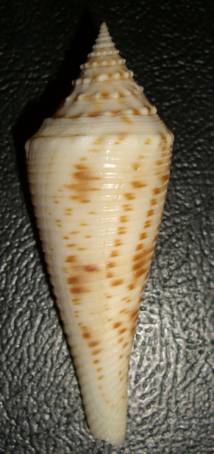
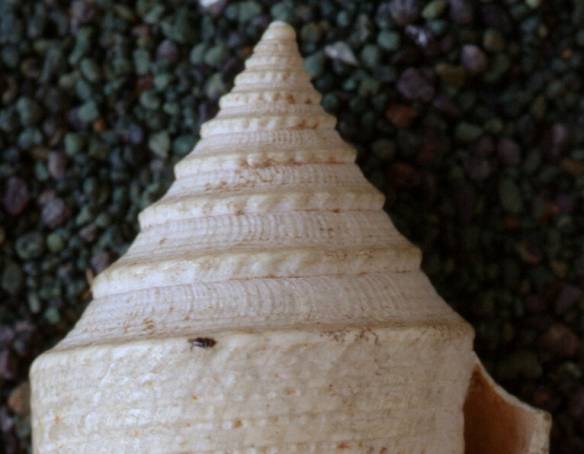
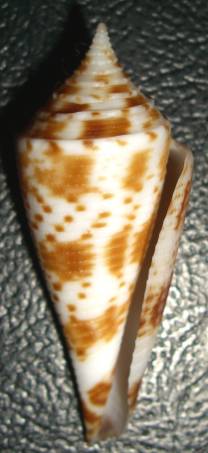
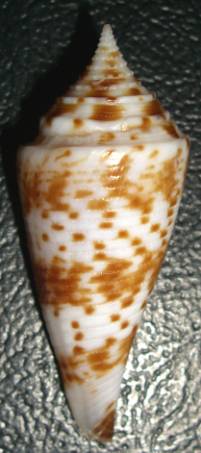
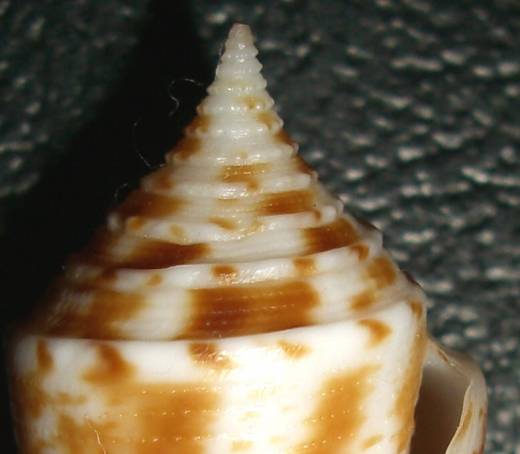
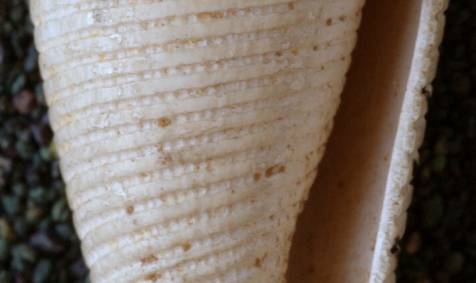
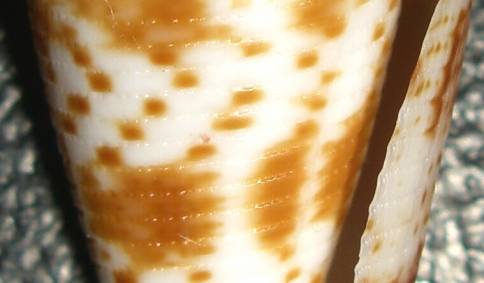
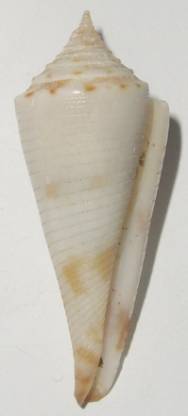
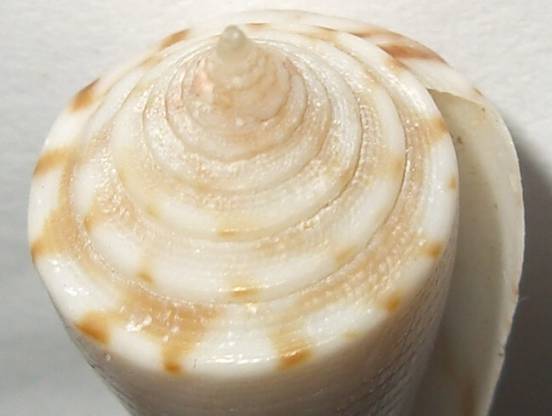
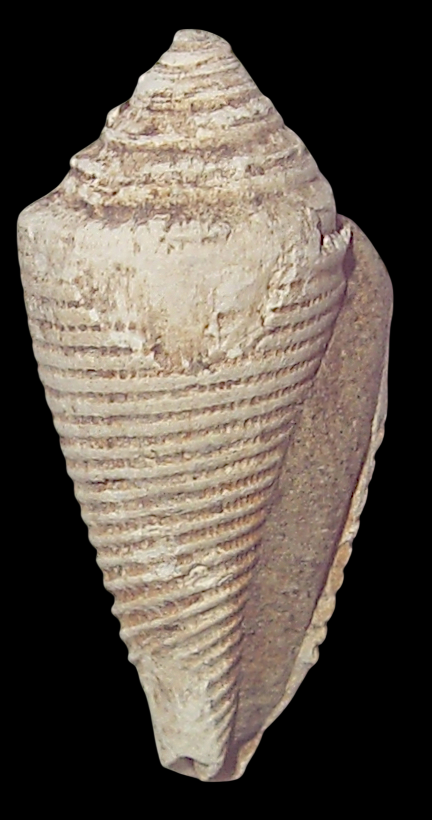
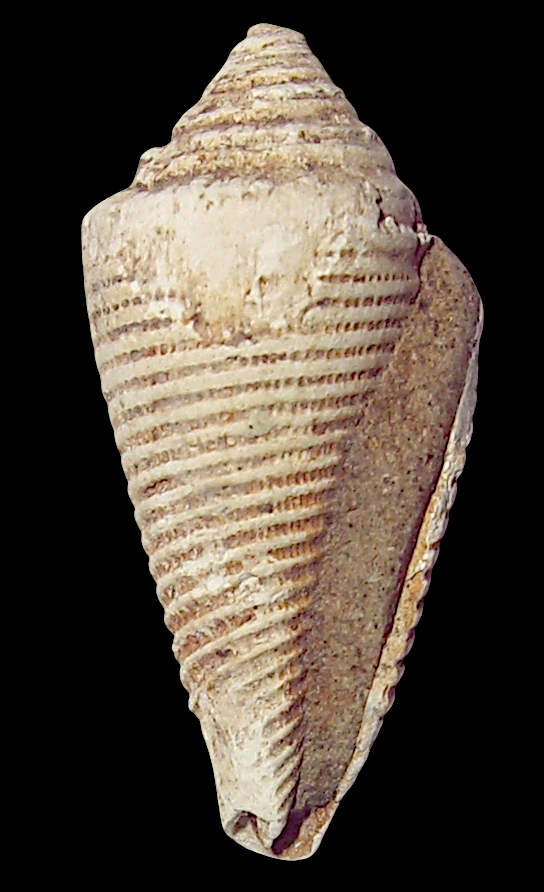
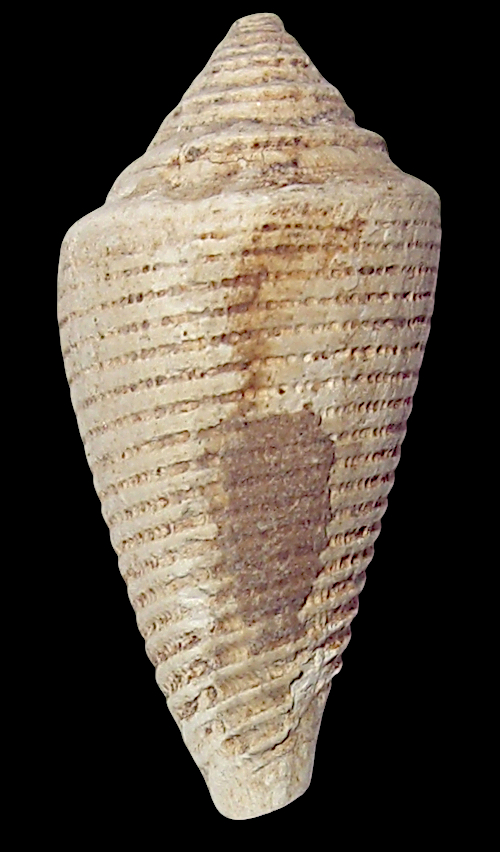
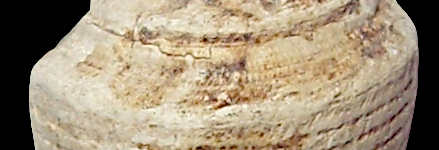
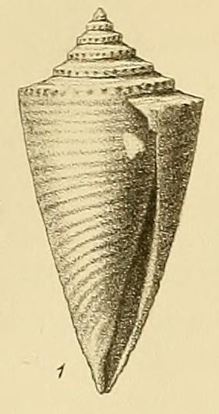
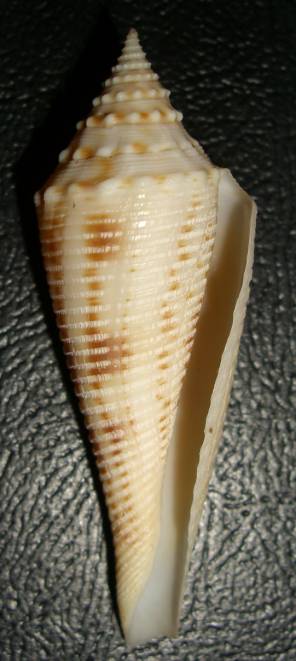
Conus sondeianus (Martin, 1895)
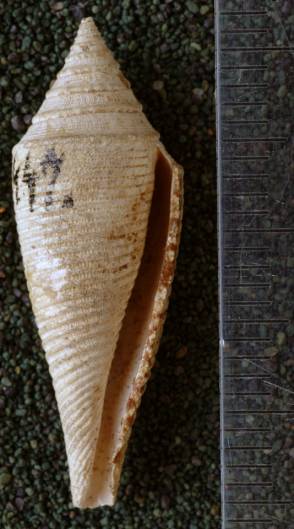
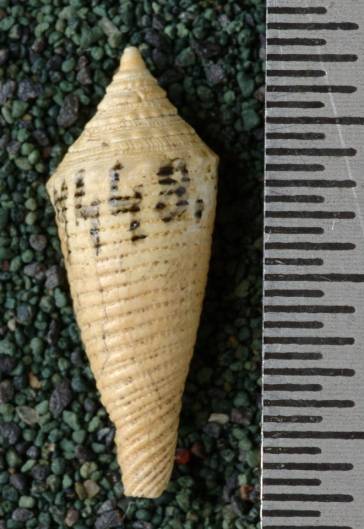
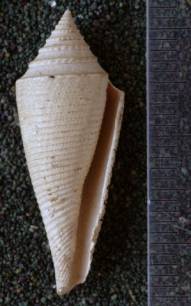
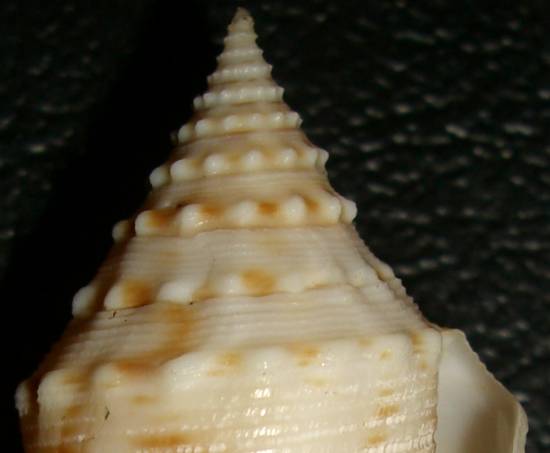
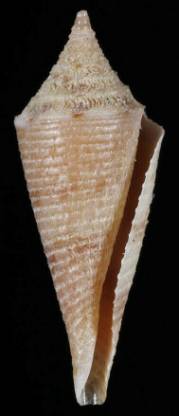
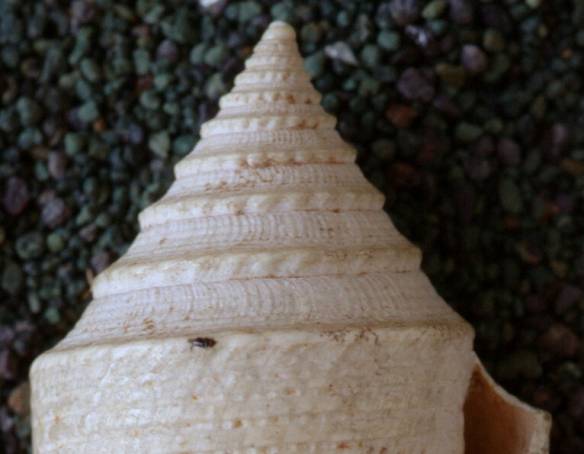
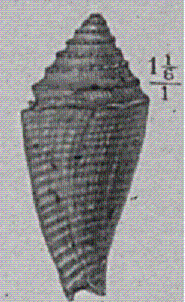
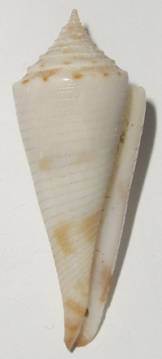
Conus fennemai (Shepman, 1907)
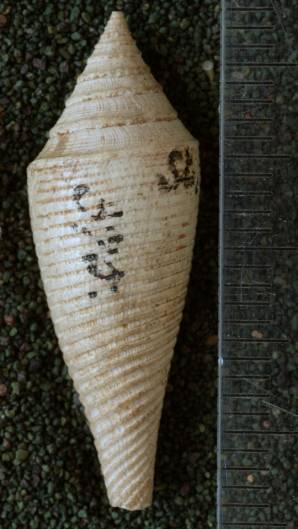
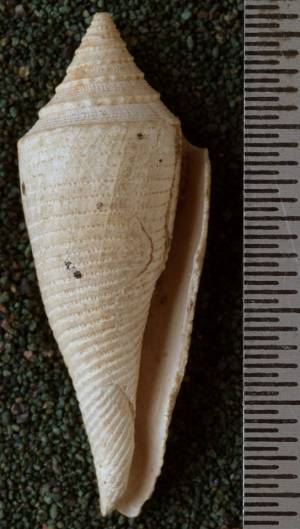
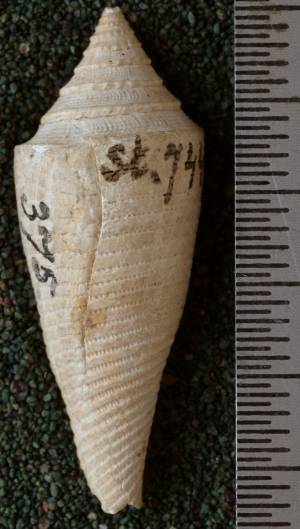
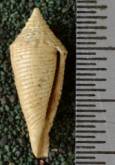
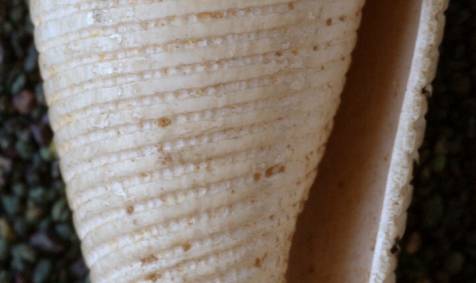
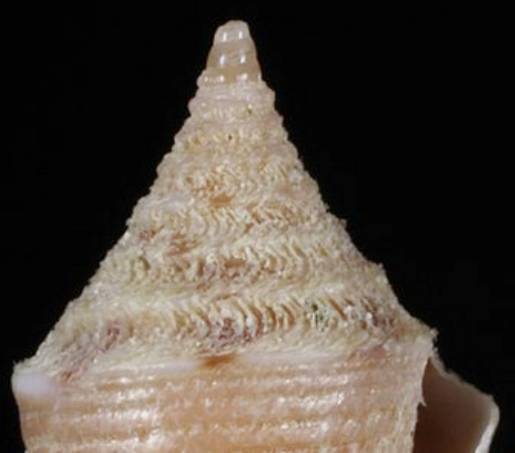
Conus niasensis (Woodward, 1879)
Conus sondeianus (Martin, 1895)
Descrizione
Epoca: Miocene Superiore - Pliocene
Località: Java
The species is common in the middle Miocene Miri Fm. of Sarawak and known from the late Miocene of Brunei Darussalam. Wide-spread during the Pliocene when it is documented from Java, Seram and Timor (3).
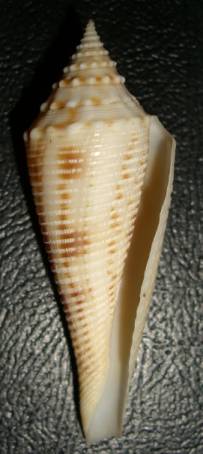
Conasprella juttingae (Pannekoek, 1936), from the early Miocene of Indonesia, differs in its beaded spiral cords on last whorl (3).
Conasprella stigandi (Cox, 1948) from the late Miocene (or Pliocene) of Borneo, differs in its lower spire and rounded shoulder (3).
|
|
|
|
|
|
|
|
|
|
|
|
|
|
|
|
|
|
|
|
|
|
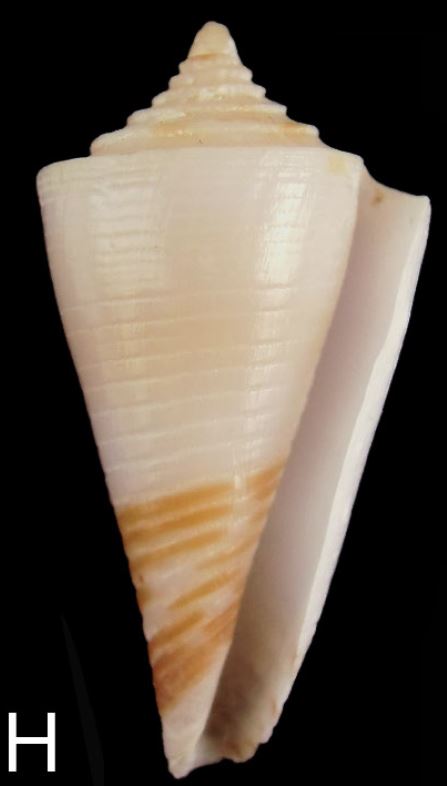
Conus orbignyi (Audouin, 1831)
|
|
|
|
|
|
|
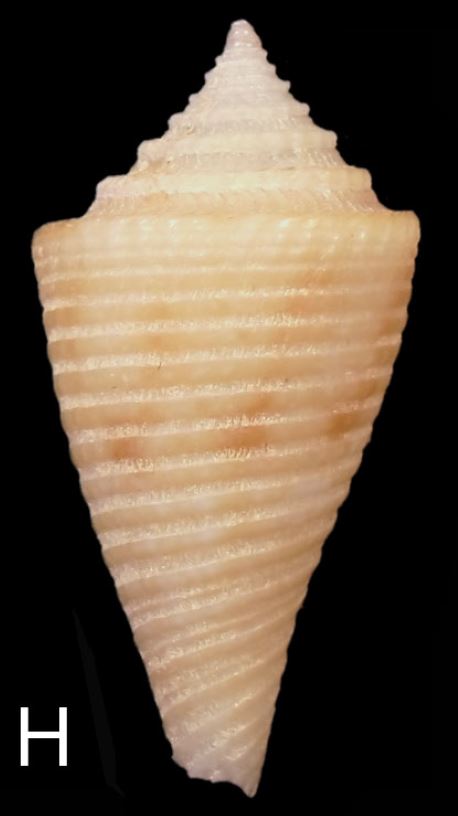
Conus comatosa (Pilsbry, 1904)
|
|
|
|
|
|
|
Conus saecularis (Melvill, 1898)
|
|
|
|
|
|
|
|
|
|
Conus fennemai (Shepman, 1907)
Descrizione.
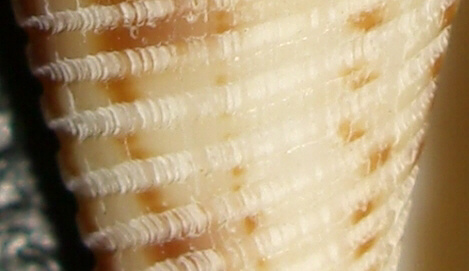
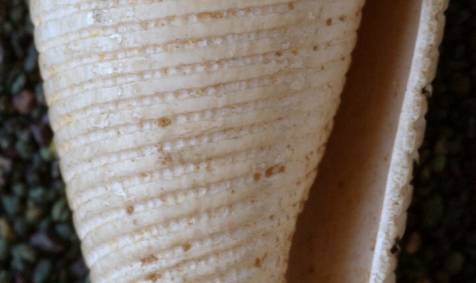
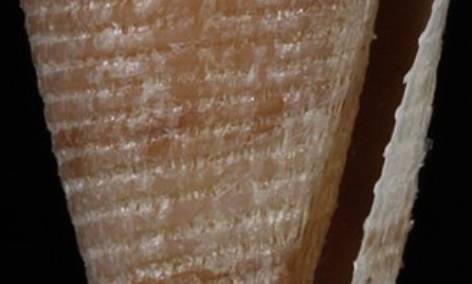
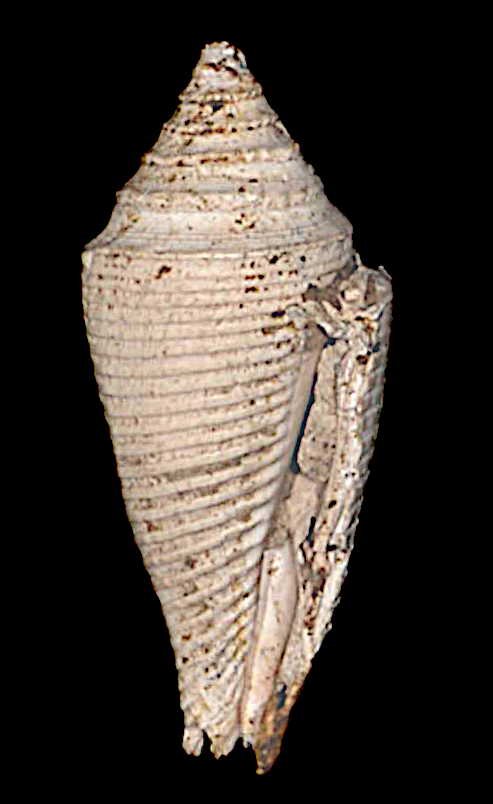
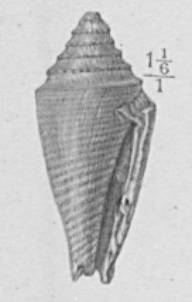
Gehäuse verlängert, mit ziemlich hohem Gewinde. Die Spitze ist etwas verletzt; der Nucleus fehlt. Die Umgänge, deren Zahl 8 beträgt, sind oben etwas konkav und durch eine deutliche, längs der oberen Naht verlaufende Rippe von einander getrennt; die Windungen sind treppenartig gegen einander abgesetzt. Aus jenen Rippen erhebt sich jede obere Windung ein wenig, und dieses Stück ist gefaltet und wird von einem Kiele begrenzt. Der obere Tlieil der Windungen zeigt einige Spiralstreifen und zahlreiche stark gekrümmte Anwachsstreifen. Auf der letzten Windung fehlen die Spiralstreifen. Diese Windung ist scharf gekielt und verläuft alsdann erst leicht konvex, unten konkav; die Skulptur besteht aus 21 flachen, ziemlich breiten Spiralleisten, welche durchschnittlich gleich breit wie die Zwischenräume sind. In diesen Zwischenräumen verlaufen bisweilen noch viel feinere Leistchen; sie tragen ausserdem starke Anwachsstreifen, welche auf den Leisten kaum angedeutet sind. Die Lippe ist abgebrochen, wahrscheinlich war sie oben an der Naht ziemlich tief ausgebuchtet, in der Mitte etwas vorgezogen. Der Kanal ist nach links gerichtet. Länge 25, Breite 10 mm. Diese Art ist verwandt mit C. mucronatus Reeve, dessen Spitze jedoch konkav und nicht so treppenartig zu sein scheint, zudem niedriger ist; auch scheint die letzte Windung, obwohl REEVE sie „grooved" nennt, weniger stark skulptiert zu sein. Von Conus sondeianus Martin ist die neue Art durch breitere Zwischenräume der Spiralleisten, welche auch weniger zahlreich sind, zu unterscheiden sowie dadurch, dass die Anwachsstreifen weniger stark sind und auch gedrängter stehen (2).
The casing is elongated, with a fairly high thread. The tip is somewhat damaged; the nucleus is missing. The eight whorls are slightly concave at the top and separated from each other by a distinct rib running along the upper seam; the coils are stepped off from each other. Each upper coil rises slightly from these ribs, and this section is folded and bounded by a keel. The upper part of the coils shows several spiral bands and numerous strongly curved growth lines. The spiral bands are missing on the last coil. This coil is sharply keeled and then runs slightly convex at first, concave at the bottom; the sculpture consists of 21 flat, fairly wide spiral ribs, which are on average as wide as the spaces between them. In these spaces, sometimes much finer ribs run; they also bear strong growth lines, which are barely indicated on the ribs. The lip is broken off; it was probably quite deeply notched at the suture at the top and slightly projecting in the middle. The canal is directed to the left. Length 25 mm, width 10 mm. This species is related to C. mucronatus Reeve, whose apex, however, appears to be concave and not so stepped, and is also shorter; the last whorl, although Reeve calls it "grooved," also seems to be less strongly sculpted. The new species can be distinguished from Conus sondeianus Martin by wider intervals between the spiral ridges, which are also less numerous, as well as by the fact that the growth lines are less pronounced and more densely packed (2).
The species was described from Kaju Ragi, N. Celebes. It is represented in the Muara Kobun collection by two specimens (RGM 312 065), 14.3 and 15 mm long respectively, smaller therefore than the type which is 25 mm long, but perfectly similar in other respects. The protoconch is partly preserved in one case, showing at least three smooth apical whorls.
C. niasensis Woodward, 1879, the type of which is 15 mm long, is closely related (Woodward, 1879, p. 226, pl. 4, fig. 1), although its sculpture and shape seem to differ. Future finds may clarify the relationships between these species (1).
E’ una conchiglia estesa con spira abbastanza alta. La punta è un po' rovinata; il nucleo è assente. Le spire, il cui numero è 8, sono alquanto concave alla sommità e separate l'una dall'altra da una distinta nervatura che corre lungo la sutura superiore; le curve si mettono l'una contro l'altra come una scala. Ogni giro superiore si alza un po' da quelle nervature, e questo pezzo è piegato e bordato da una chiglia. La parte superiore delle spire mostra alcune strisce a spirale e numerose strisce di crescita fortemente curve. Le strisce a spirale mancano nell'ultimo giro, che è fortemente carenata e poi corre prima leggermente convessa, sotto concava; la scultura è composta da 21 strisce spirali piatte, abbastanza larghe, che hanno in media la stessa larghezza degli spazi intermedi. In questi interstizi ci sono talvolta creste molto più fini; Hanno anche forti striature di crescita, che sono difficilmente indicate sull'inguine. Il labbro si è rotto, probabilmente era rigonfio piuttosto profondamente in cima alla cucitura, tirato un po' in avanti nel mezzo. Il canale è diretto a sinistra. Lunghezza 25, larghezza 10 1/2 mm (2).
Epoca: Miocene Medio - Pleistocene
|
|
|
|
|
|
|
|
|
|
|
|
Conus niasensis (Woodward, 1879)
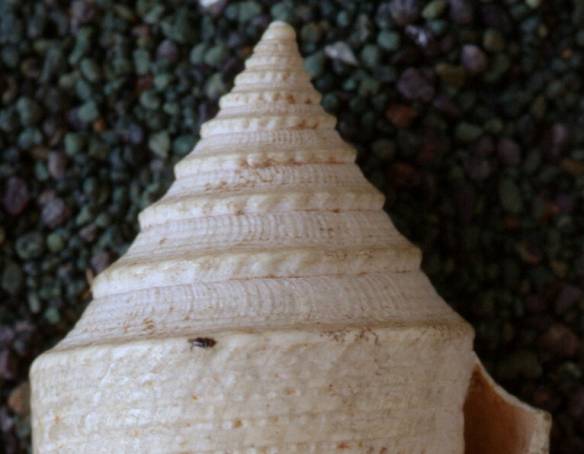
Shell conical-elongate, Concentrically striated, striae wider apart towards the base of the shell and rather more strongly accentuated; spire conical, apex obtuse, showing about seven volutions, concentrically striated and crenulated, the outer margins ornamented with a series of flattened tubercles; aperture narrow.
The ornamentation of the upper portion of the whorls around theapex presents a close agreement with Conus acutangulus, as figured by Martin from Java, but the apex of this species is more regularly conical and the shell itself is more robust.
Dr. Bottger also figures a cone under the name of Conus gracilispira, from Pengaron, Borneo, but the apex is too truncated, and the specimen, being a cast, cannot be compared certainly with our fossil.
Conchiglia conico-allungata, striata concentricamente, strie più distanziate verso la base della conchiglia e un po' più accentuate; cuspide conica, apice ottuso, presentante circa sette volute, striata concentricamente e merlata, i margini esterni ornati da una serie di tubercoli appiattiti; apertura stretta.
L'ornamentazione della parte superiore delle spirali intorno all'apice presenta uno stretto accordo con Conus acutangulus, come figurato da Martin da Giava, ma l'apice di questa specie è più regolarmente conico e la conchiglia stessa è più robusta.
Il Dr. Bottger rappresenta anche un cono sotto il nome di Conus gracilispira, da Pengaron, Borneo, ma l'apice è troppo troncato, e l'esemplare, essendo un calco, non può essere paragonato con certezza al nostro fossile.
|
|
|
|
|
|
|
|
|
|
|
|
|
|
|
|
|
|
|
|
Bibliografia
(2) - Sheepman (1907) “Mollusken aus posttertiären Schichten von Celebes”
(4) - (2023) “Revision of the deep-water cone snail fauna from New Caledonia (Gastropoda, Conoidea)” Manuel J. TENORIO & Nicolas PUILLANDRE