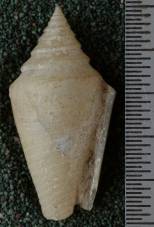
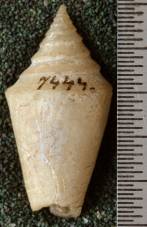
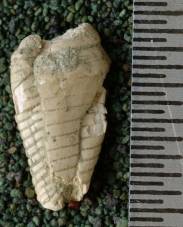
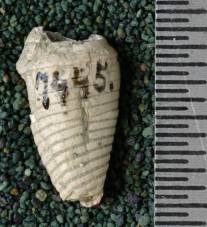
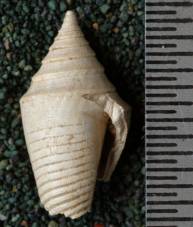
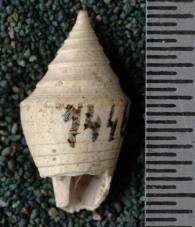
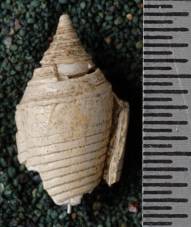
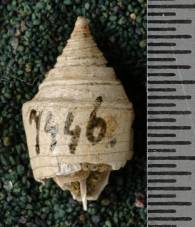
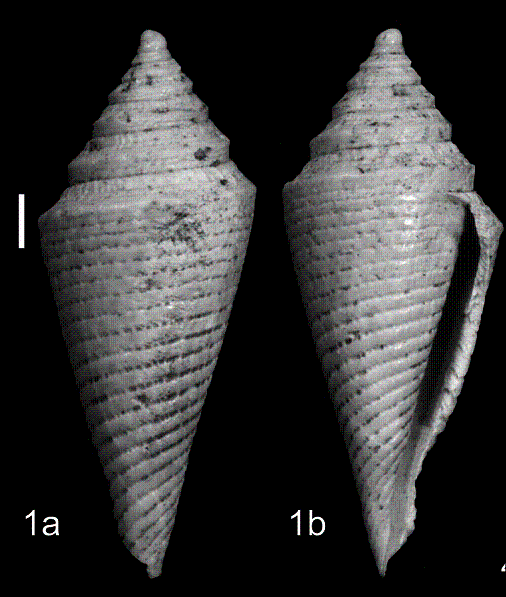
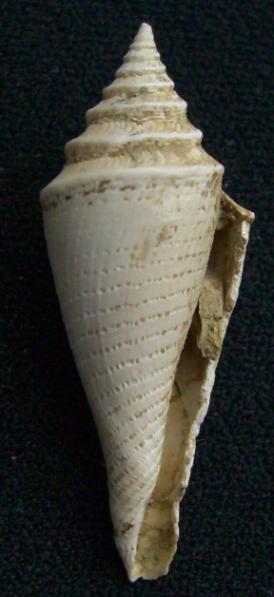
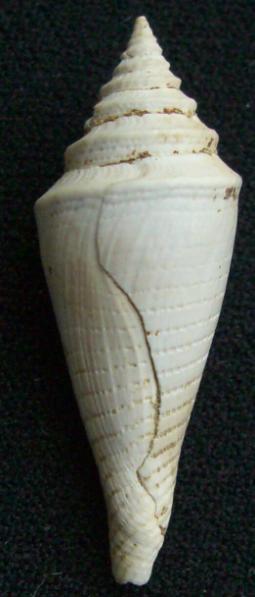
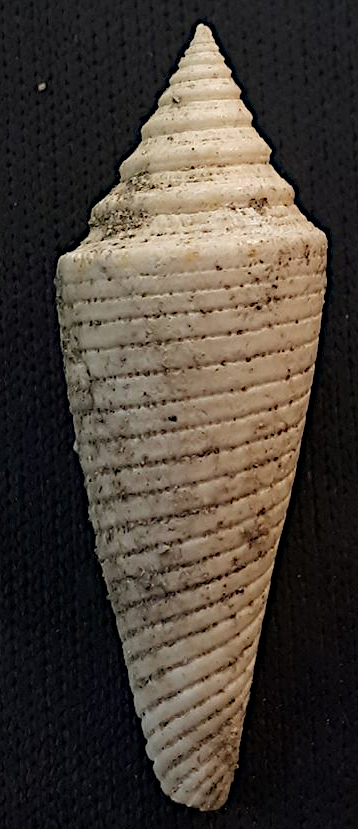
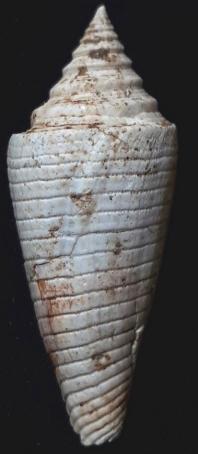
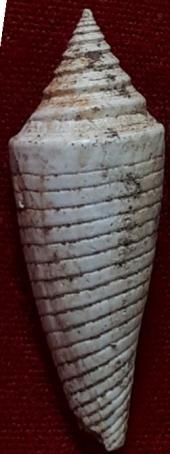
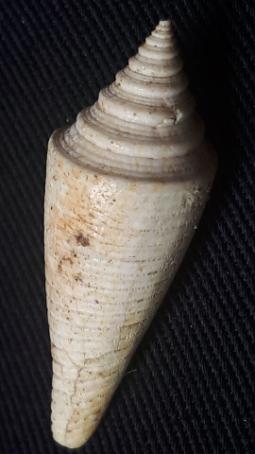
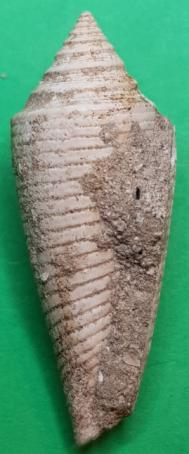
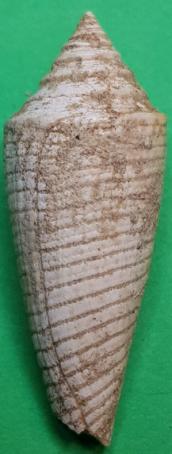
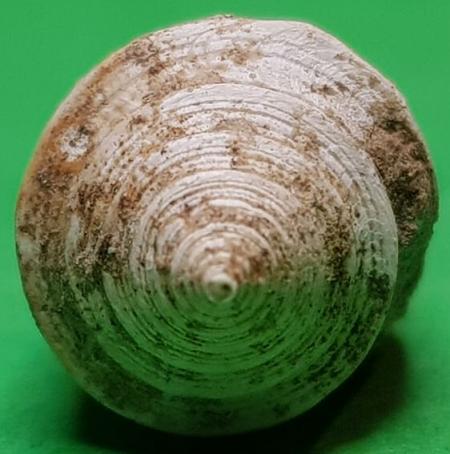
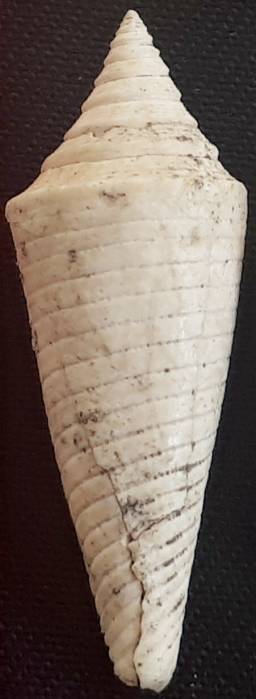
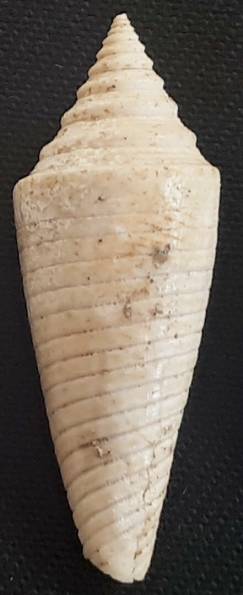
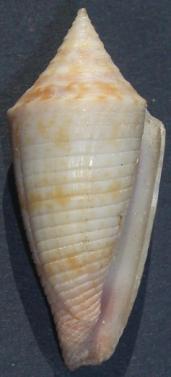
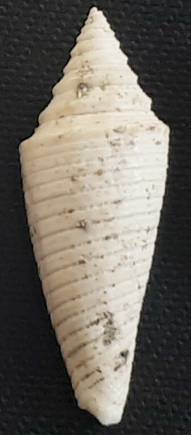
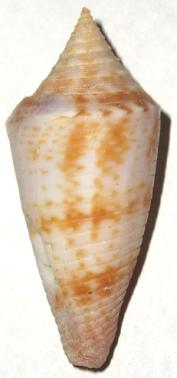
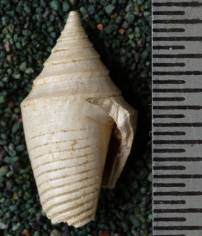
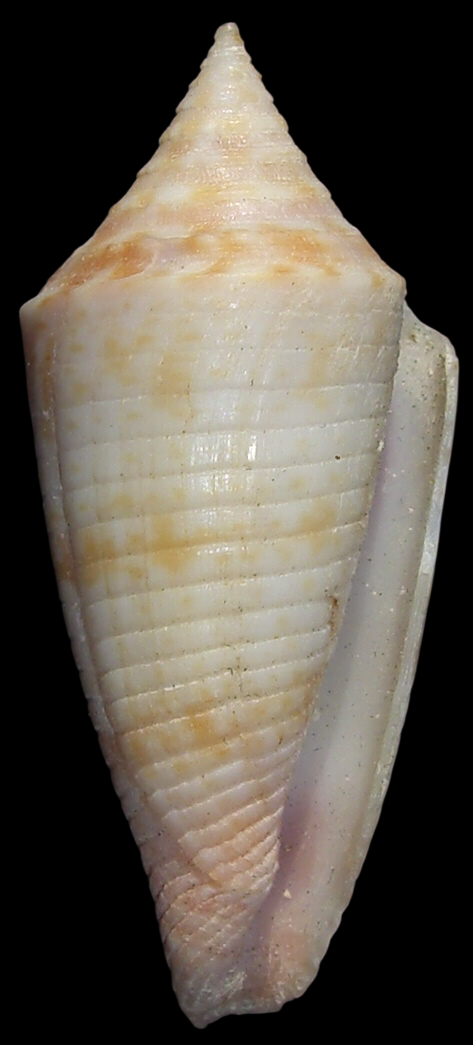
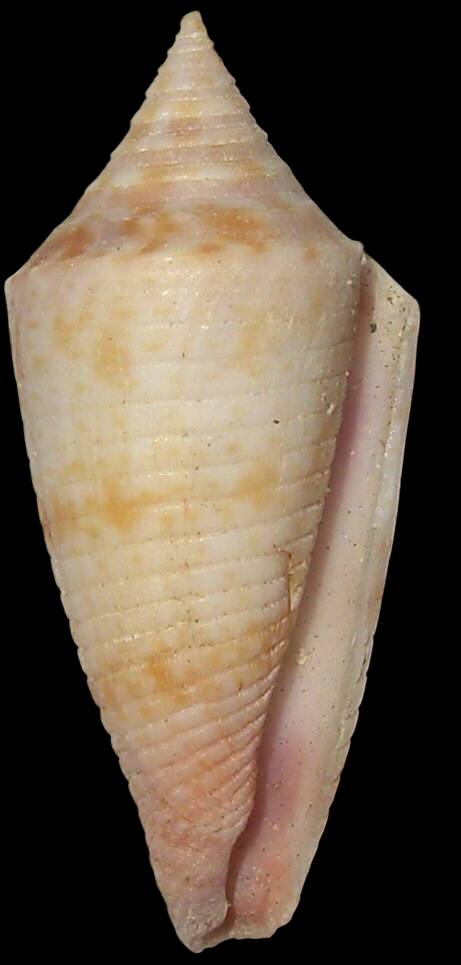
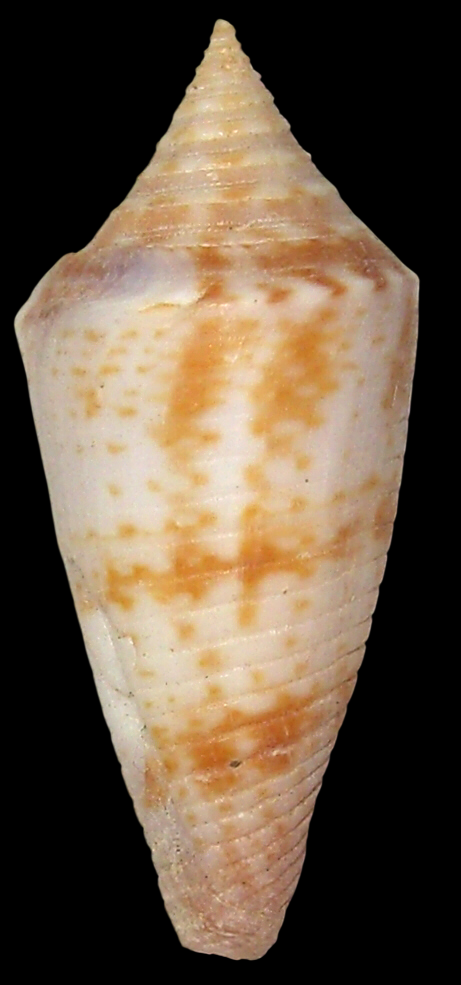
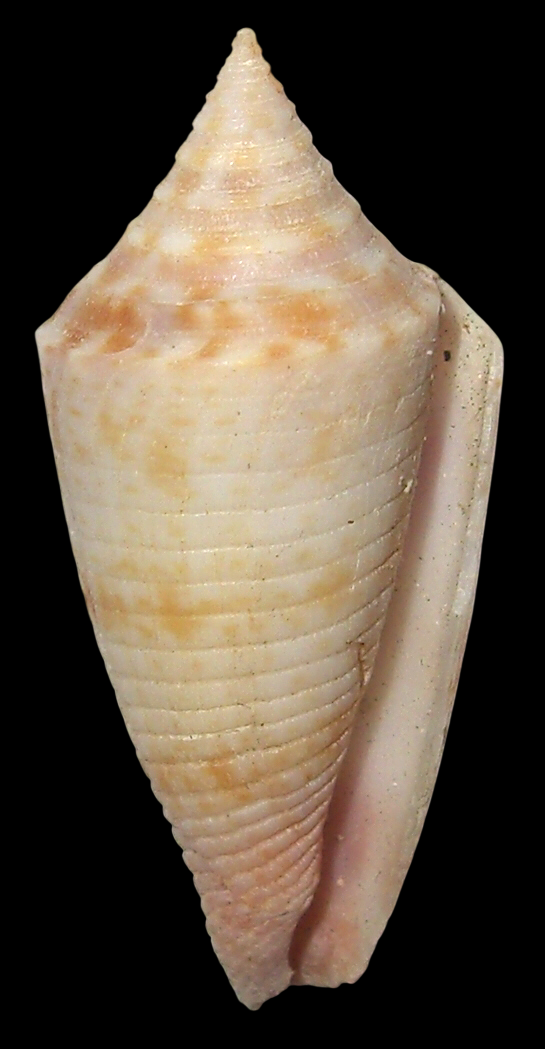
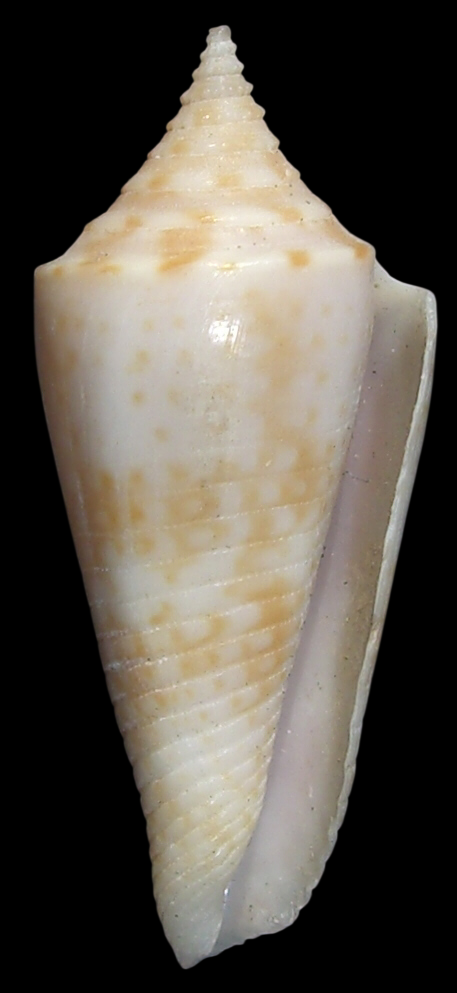
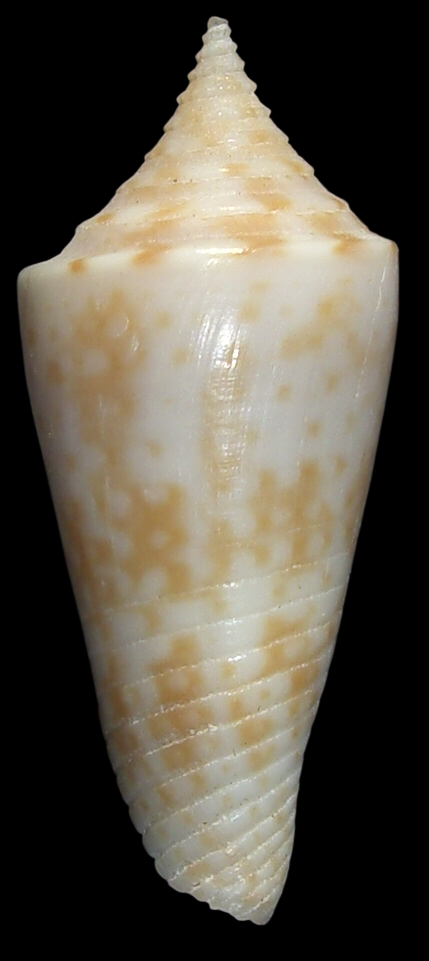
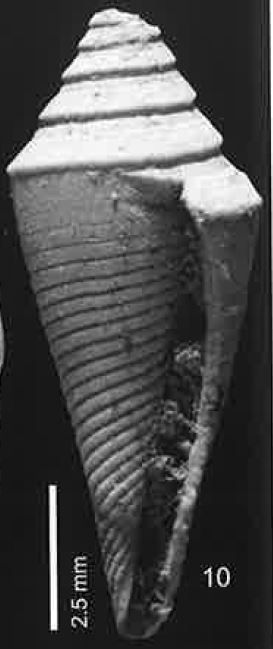
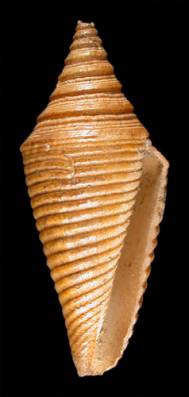
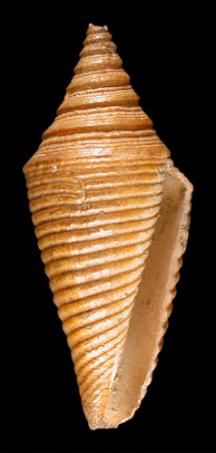
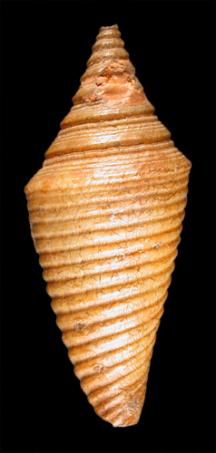
Conus spolongensis
|
||||
|
|
|||
|
|
|||
|
|
|||
|
||||
|
||||
|
||||
|
||||
|
||||
Conus spolongensis (Martin, 1916)
Conus quilonensis (Dey, 1961)
Conus tomlini (Dey, 1961)
Il Conus spolongensis è correlato al Conus exaltatus.
Distribuzione: Miocene Inferiore.
Conus spolongensis
|
||||
|
|
|||
|
|
|||
|
|
|||
|
||||
|
||||
|
||||
|
||||
|
||||
|
|
|
|
|
|
|
|
|
|
|
|
|
|
Conus dictator
|
|
|
|
|
|
|
|
|
|
|
|
|
|
Conus quilonensis (Dey, 1961)
Conus tomlini (Dey, 1961)
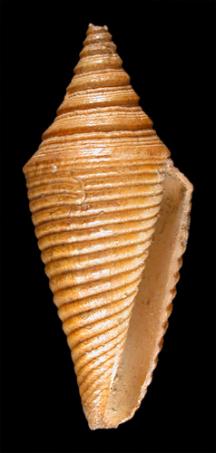
Discussion (4): TUCKER & TENORIO (2009) list this species as Bathyconus TUCKER & TENORIO, 2009, which is defined mainly on radular morphology. These authors explicitly describe their new genus and its species as deep water cones, as also indicated by the prefix Bathy. In contrast, the Early Miocene specimen was collected in shallow marine sediments with seagrasses dwelling foraminifers (REUTER et al. 2010 (7)). This habitat is more appropriate for extant species of Fusiconus DA MOTTA, 1991. Aside from the ecological differences, many Bathyconus species display nodes on the angulation of the spire whorls whilst this feature is rarely developed in Fusiconus. Herein, Conus quilonensis is thus included into Fusiconus. It may be closely related to the extant IWP species F. elegans (G.B. SOWERBY III. 1895) which has a similar spire architecture but is more slender.
Fusiconus tomlini (DEY 1961) and F. quilonensis were described from the same locality. Both taxa were separated by DEY (1961) based only on the higher number of spiral sulci in C. tomlini and its smaller size. This species, however, might rather represent a subadult stage of F. quilonensis. A comparable variability concerning the development of sulci is also evident in F. elegans.
Distribution: This species is known so far only from the Burdigalian of Kerala.
|
|
|
|
|
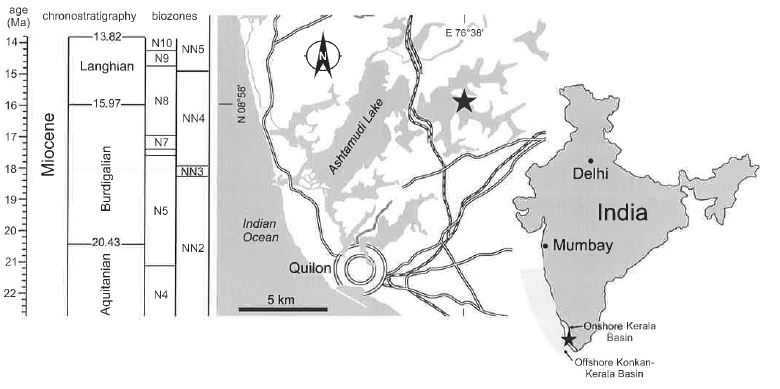
Text-fig. 1. Stratigraphy and geographic setting of the Channa Kodi section in South West India modified from REUTER et al. (2010). The shaded area in the stratigraphic table indicates the position within the planktonic foraminifera zone N5/M2 and nannoplankton zone NN3. (4) |
|
|
|
|
|
|
Conus wilmeri (Sowerby III, 1882)
Discussion: The holotype of C. wilmeri resembles C. praecellens, but differs in its uniformly brown colour, broadly carinate shoulder, and different sculpture of the teleoconch sutural ramps (prominent subsutural ridge and 4 spiral grooves; adaxial groove deeply incised). It can be distinguished from the similar C. acutangulus by its colour and its non-tuberculate teleoconch whorls.
|
|
(1) - Die altmiocane fauna des west-progogebirges auf Java – Martin 1916
(4) - Harzhauser (2014) “A seagrass-associated Early Miocene Indo-Pacific gastropod fauna from South West India (Kerala)”
(5) – Dey, 1961 “The Miocene Mollusca from Quilon, Kerala (India)”